In the rapidly evolving world of manufacturing, mastering the art of ERW tube mill is essential for ensuring both efficiency and quality. As industries demand higher standards and faster production times, the ability to navigate the complexities of these mills becomes a significant competitive advantage. This ultimate guide will delve deep into the intricacies of ERW tube manufacturing, exploring methods to optimize production processes while maintaining rigorous quality control. From understanding the mechanics of tube formation to implementing advanced technologies, our comprehensive insights will equip you with the tools needed to enhance productivity and reduce waste. Whether you’re a seasoned manufacturer or just starting your journey, uncover the secrets to mastering ERW tube mills and elevate your operations to new heights in this ever-demanding landscape. Let’s embark on this journey towards efficiency and excellence together!
Electric Resistance Welded tubes are produced using a method that involves the continuous forming of hot-rolled steel coils into tubular shapes, followed by welding the edges together using electric resistance. This process begins with the uncoiling of steel strip, which is then fed through a series of rollers that gradually form it into a cylindrical shape. The edges of the formed tube are brought together and heated to the point where they can be fused using electric resistance welding. This method is widely favored due to its efficiency and the high-quality welds it produces.
The ERW process is highly automated and can produce tubes at a rapid pace, making it ideal for large-scale manufacturing. The automation ensures consistent quality and minimizes the need for manual intervention, which can introduce variability. Additionally, the process allows for the production of tubes in a wide range of diameters and wall thicknesses, catering to diverse industrial needs. The flexibility and efficiency of the ERW process make it a cornerstone in the manufacturing sector, especially in industries that demand high volumes of tubular products.
One of the key advantages of ERW tube manufacturing is the ability to produce tubes with smooth surfaces and uniform mechanical properties. This is achieved through precise control over the forming and welding processes, ensuring that the tubes meet stringent quality standards. The process also allows for the incorporation of various post-weld treatments, such as heat treatment and surface finishing, to enhance the properties of the tubes. Understanding the intricacies of the ERW tube manufacturing process is crucial for optimizing production and ensuring the highest levels of quality.
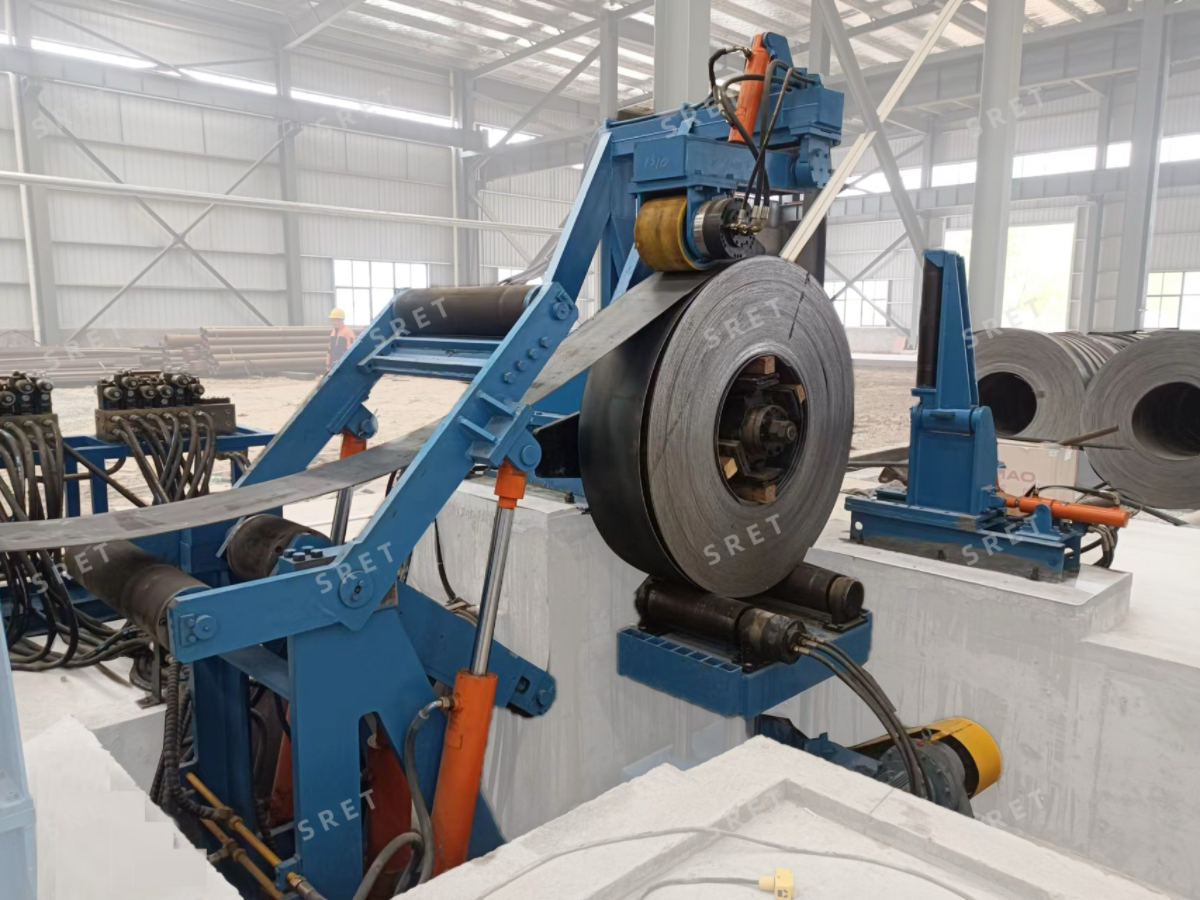
ERW tube mills consist of several critical components that work in unison to convert steel coils into high-quality tubes. The first major component is the uncoiler, which holds the steel coil and feeds it into the mill. The uncoiler must be robust and capable of handling the weight of large coils while ensuring smooth and consistent feeding. This component is essential for maintaining a steady flow of material into the mill, which is crucial for achieving high production rates and consistent tube quality.
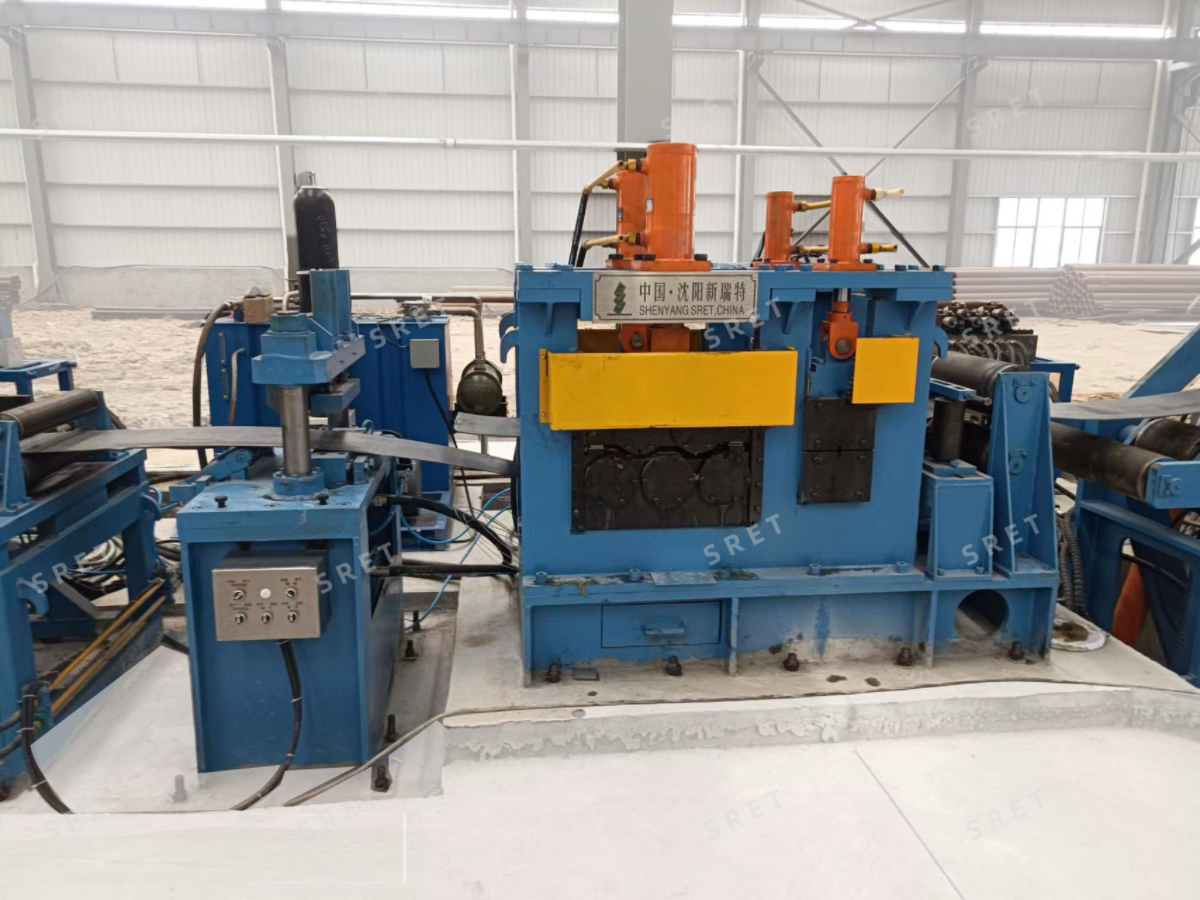
Following the uncoiler, the steel strip passes through a series of forming rolls that gradually shape it into a cylindrical form. These rolls are precisely engineered to ensure accurate forming, and they can be adjusted to produce tubes of various sizes. The design and maintenance of the forming rolls are critical, as any imperfections can lead to defects in the tubes. The forming section of the mill is followed by the welding unit, where the edges of the tube are heated and fused together using electric resistance. The quality of the weld is paramount, and modern ERW mills are equipped with advanced welding control systems to ensure strong and consistent welds.
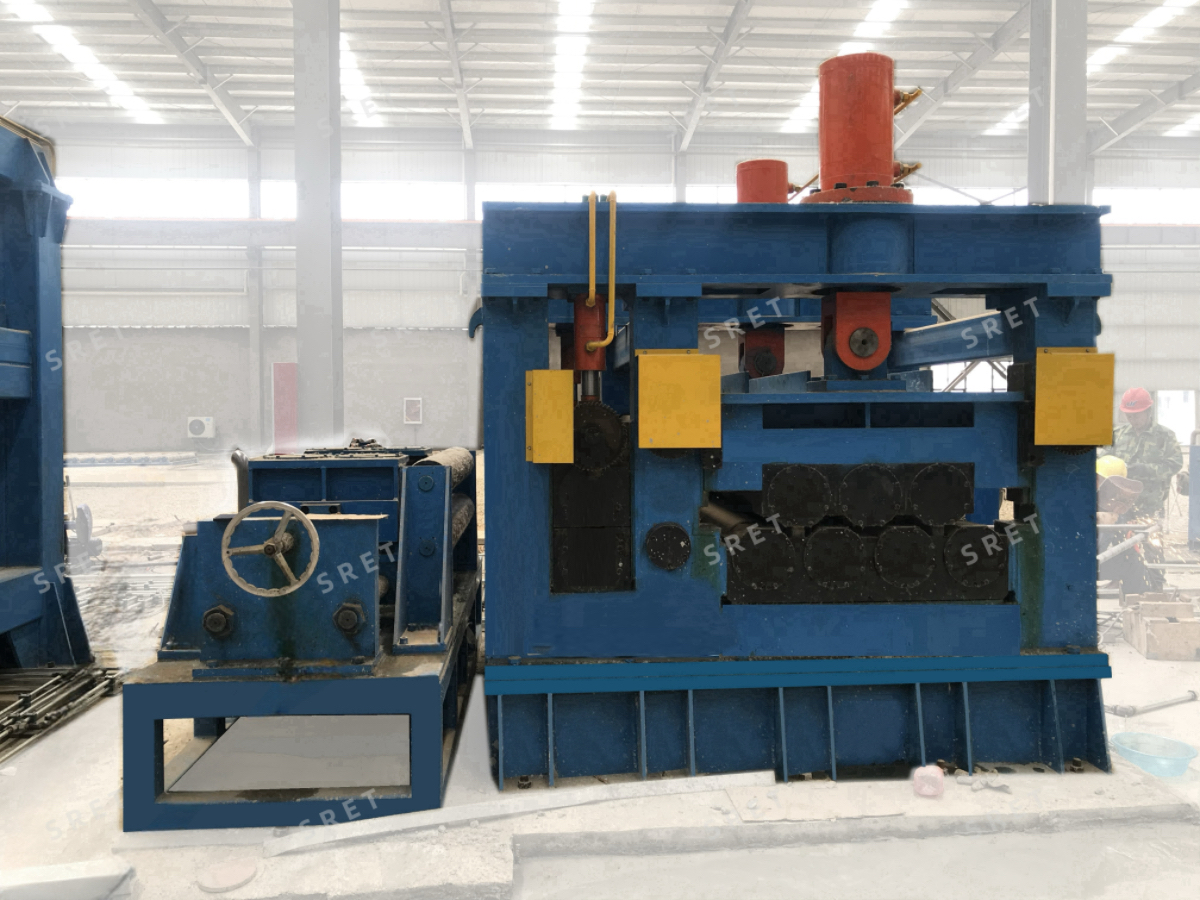
Another essential component of ERW tube mills is the sizing section, where the welded tube is passed through additional rolls to achieve the final desired dimensions. This section also helps to straighten the tube and improve its surface finish. Finally, the cut-off system is used to cut the continuous tube into specific lengths. This system must be highly accurate to ensure that the tubes meet the required length specifications. Each of these components plays a vital role in the overall efficiency and quality of the ERW tube manufacturing process, and their proper maintenance and calibration are essential for optimal performance.
Efficiency in ERW tube manufacturing is crucial for several reasons. Firstly, it directly impacts production costs. Efficient operations reduce waste and minimize downtime, leading to significant cost savings. In a highly competitive market, these savings can be the difference between profitability and loss. Efficient manufacturing processes also allow for higher production rates, enabling manufacturers to meet large orders and tight deadlines, which can enhance customer satisfaction and strengthen market position.
Efficiency also plays a critical role in maintaining quality. Consistent and streamlined processes reduce the likelihood of defects and ensure that products meet stringent quality standards. This is particularly important in industries such as automotive and construction, where the performance and safety of the end products rely heavily on the quality of the tubes used. Efficient manufacturing processes also enable better resource utilization, reducing the environmental impact of production. This is increasingly important as industries face growing pressure to adopt sustainable practices.
Moreover, efficient ERW tube manufacturing processes enhance the ability to innovate and adapt to changing market demands. By optimizing production processes, manufacturers can free up resources to invest in research and development, leading to the creation of new products and improvements in existing ones. Efficiency also enables manufacturers to be more responsive to customer needs, providing the flexibility to customize products and offer faster delivery times. In a rapidly evolving market, the ability to adapt and innovate is essential for long-term success.
Quality control in ERW tube production is a multi-faceted process that begins with the selection of raw materials. High-quality steel coils are essential for producing tubes that meet industry standards. The coils must be thoroughly inspected for any defects such as surface imperfections or inconsistencies in thickness. Once the raw materials are approved, the manufacturing process must be closely monitored to ensure that each stage meets the required specifications. This includes regular inspections of the forming and welding processes to detect and correct any deviations.
Non-destructive testing (NDT) methods are commonly used to inspect the welds in ERW tubes. Techniques such as ultrasonic testing and eddy current testing allow for the detection of internal defects without damaging the tubes. These tests are crucial for ensuring the integrity of the welds, which are the most critical part of the tubes. In addition to NDT methods, mechanical testing such as tensile and hardness tests are performed to verify that the tubes meet the required mechanical properties. These tests provide valuable data that can be used to fine-tune the manufacturing process and improve quality.
Another important aspect of quality control in ERW tube production is the implementation of robust process control systems. These systems use sensors and automated inspection tools to continuously monitor the manufacturing process and collect data on key parameters such as temperature, pressure, and speed. This data is analyzed in real-time to detect any anomalies and make adjustments as needed. The use of advanced process control systems helps to ensure that the tubes are produced consistently and meet the desired quality standards. Continuous improvement initiatives, such as Six Sigma and Lean Manufacturing, can also be applied to further enhance quality control processes.
Despite the many advantages of ERW tube manufacturing, the process is not without its challenges. One common issue is the occurrence of weld defects, which can compromise the integrity of the tubes. These defects can be caused by various factors such as improper alignment of the steel strip, variations in material properties, or issues with the welding equipment. Detecting and correcting these defects requires a combination of skilled operators and advanced inspection techniques. Regular maintenance and calibration of the welding equipment are also essential to minimize the occurrence of weld defects.
Another challenge in ERW tube manufacturing is maintaining consistent quality across large production runs. Variations in raw materials, environmental conditions, and equipment performance can all impact the quality of the tubes. Implementing robust process control systems and conducting regular inspections can help to mitigate these issues, but they require significant investment and expertise. Training and retaining skilled operators and engineers is also crucial for maintaining quality, as their knowledge and experience are invaluable in identifying and addressing potential issues.
The high-speed nature of ERW tube manufacturing can also pose challenges in terms of equipment wear and tear. The forming rolls, welding units, and sizing equipment all operate under significant stress and must be regularly maintained to prevent breakdowns. This requires a well-planned maintenance schedule and the availability of spare parts. Unplanned downtime can be costly and disruptive, so proactive maintenance is essential for ensuring smooth and efficient operations. Additionally, the high-speed production environment can introduce safety risks, so stringent safety protocols must be in place to protect workers and equipment.
The field of ERW tube manufacturing has seen significant advancements in recent years, driven by the need for higher efficiency and quality. One major innovation is the development of high-frequency welding (HFW) technology, which uses higher frequencies for the welding process. HFW allows for more precise control over the welding process, resulting in stronger and more consistent welds. This technology also enables faster production speeds, which can significantly increase output and reduce costs. The adoption of HFW is becoming increasingly common in modern ERW tube mills.
Another important technological advancement is the integration of real-time monitoring and control systems. These systems use sensors and data analytics to continuously monitor the manufacturing process and identify any deviations from the desired parameters. This allows for immediate corrective actions, reducing the likelihood of defects and improving overall quality. The use of artificial intelligence (AI) and machine learning algorithms can further enhance these systems by predicting potential issues and optimizing process parameters. The combination of real-time monitoring and AI-driven analytics is transforming the way ERW tube mills operate.
Automation is also playing a significant role in the evolution of ERW tube mills. Advanced robotic systems are being used to handle various tasks such as material handling, inspection, and maintenance. These systems can operate with high precision and consistency, reducing the reliance on manual labor and minimizing the risk of human error. Automation also allows for more flexible production setups, enabling manufacturers to quickly switch between different tube sizes and specifications. The increased use of automation in ERW tube mills is leading to higher efficiency, lower costs, and improved quality.
Effective maintenance is crucial for ensuring the optimal performance and longevity of ERW tube mill. One of the best practices is the implementation of a preventive maintenance program. This involves regular inspections and servicing of all critical components, such as the forming rolls, welding units, and sizing equipment. By identifying and addressing potential issues before they lead to breakdowns, preventive maintenance can significantly reduce downtime and extend the lifespan of the equipment. It also helps to maintain consistent quality by ensuring that the equipment is always operating at peak performance.
Another important aspect of maintenance is the proper training of maintenance personnel. Skilled technicians who are familiar with the specific requirements of ERW tube mills are essential for effective maintenance. Regular training programs should be conducted to keep the maintenance team up-to-date with the latest technologies and best practices. This not only enhances their ability to perform maintenance tasks efficiently but also empowers them to identify and address potential issues more effectively. Investing in the training and development of maintenance personnel is a key factor in the overall success of the maintenance program.
In addition to preventive maintenance, it is also important to have a well-stocked inventory of spare parts. The high-speed nature of ERW tube manufacturing means that any equipment failure can lead to significant production losses. Having the necessary spare parts readily available ensures that repairs can be carried out quickly and minimizes the impact of downtime. A well-organized spare parts inventory, combined with a robust preventive maintenance program and skilled maintenance personnel, forms the foundation of an effective maintenance strategy for ERW tube mills.

Examining successful ERW tube manufacturing facilities can provide valuable insights into best practices and strategies for achieving efficiency and quality. One notable example is a facility that implemented advanced high-frequency welding technology. By adopting this technology, the facility was able to achieve significant improvements in weld quality and production speed. The use of high-frequency welding also allowed for greater flexibility in producing tubes of various sizes and specifications, enhancing the facility’s ability to meet diverse customer demands. This case study highlights the importance of investing in advanced technologies to stay competitive in the market.
Another successful ERW tube manufacturing facility focused on implementing a comprehensive quality control system. This involved the use of state-of-the-art non-destructive testing methods and real-time process monitoring. The facility also adopted a culture of continuous improvement, regularly analyzing production data and conducting root cause analyses to identify and address inefficiencies. By prioritizing quality control and continuous improvement, the facility was able to consistently produce high-quality tubes and reduce the incidence of defects. This case study underscores the importance of robust quality control measures and a commitment to continuous improvement.
A third case study involves a facility that leveraged automation to enhance efficiency and reduce costs. The facility implemented advanced robotic systems for tasks such as material handling, inspection, and maintenance. This not only reduced the reliance on manual labor but also ensured higher precision and consistency in the production process. The use of automation also enabled the facility to quickly switch between different tube sizes and specifications, providing greater flexibility in meeting customer needs. This case study demonstrates the significant benefits of automation in achieving efficiency and quality in ERW tube manufacturing.
The future of ERW tube mills in manufacturing is bright, with ongoing advancements in technology and best practices driving continuous improvements in efficiency and quality. The adoption of high-frequency welding, real-time monitoring, and automation are just a few examples of the innovations that are transforming the industry. These advancements are enabling manufacturers to produce high-quality tubes at faster production rates, meeting the growing demands of various industries. As technology continues to evolve, ERW tube mills will become even more efficient and versatile, opening up new opportunities for innovation and growth.
Sustainability is also set to play a significant role in the future of ERW tube manufacturing. As industries face increasing pressure to reduce their environmental impact, manufacturers will need to adopt more sustainable practices. This includes the use of energy-efficient equipment, the reduction of waste, and the implementation of recycling programs. By embracing sustainability, ERW tube manufacturers can not only reduce their environmental footprint but also enhance their reputation and competitiveness in the market.
In conclusion, mastering the art of ERW tube mills requires a deep understanding of the manufacturing process, the implementation of advanced technologies, and a commitment to efficiency and quality. By adopting best practices in maintenance, quality control, and continuous improvement, manufacturers can achieve significant gains in productivity and product quality. The future of ERW tube mills is promising, with ongoing innovations paving the way for even greater efficiency and excellence in manufacturing. As the industry continues to evolve, those who master the art of ERW tube mills will be well-positioned to thrive in this dynamic and demanding landscape.