Electric Resistance Welding (ERW) technology has become one of the most widely used and efficient methods for producing high‑quality steel pipes and tubes. Whether used in construction, automotive, oil and gas, machinery manufacturing, or structural applications, the ERW tube mill, ERW tube mill line, and ERW tube mill machine play a critical role in modern steel pipe production.
This comprehensive guide is designed for engineers, procurement managers, factory owners, and investors who want to understand how ERW tube mills work, what features to look for, how to choose the right manufacturer, and how to evaluate long‑term performance and cost efficiency.
With more than 2500 words of detailed insights, this article follows E‑E‑A‑T principles (Experience, Expertise, Authoritativeness, Trustworthiness) to help you make informed decisions about ERW tube mill equipment.
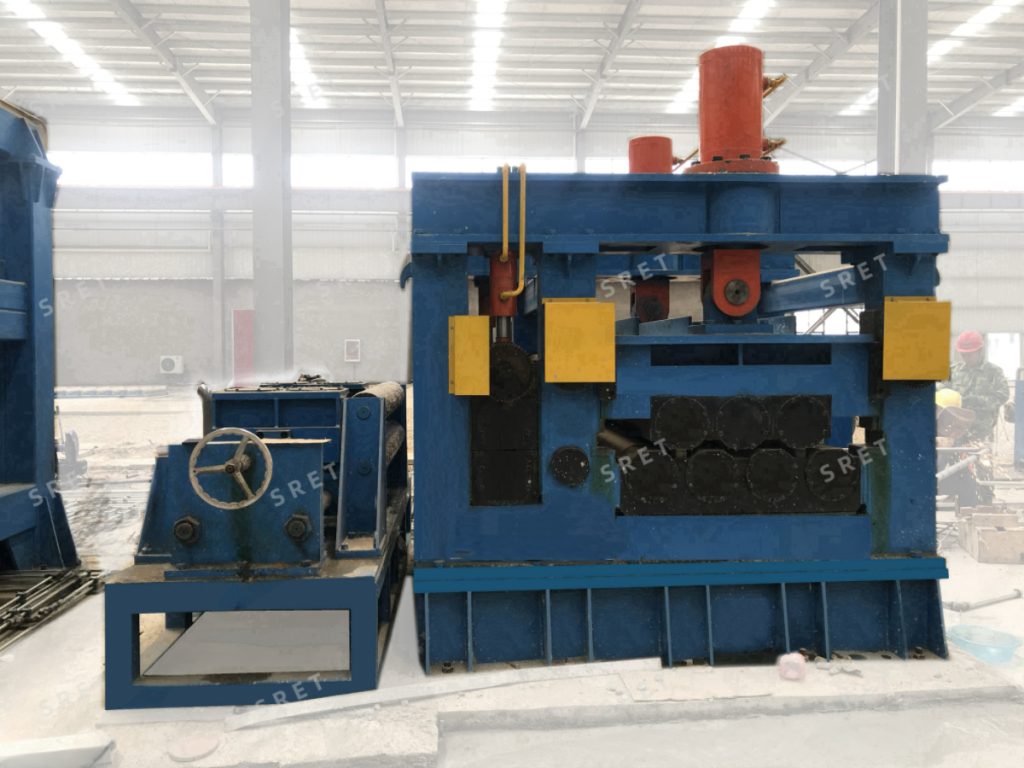
An ERW tube mill is a specialized production line used to manufacture welded steel pipes using electric resistance welding. The process involves:
ERW tube mills are widely used because they offer:
An ERW tube mill line refers to the complete production system, which typically includes:
A well‑designed ERW tube mill line ensures:
An ERW tube mill machine refers to the individual machines within the line, such as:
Each machine plays a critical role in ensuring the final tube meets industry standards.
The ERW tube mill process includes:
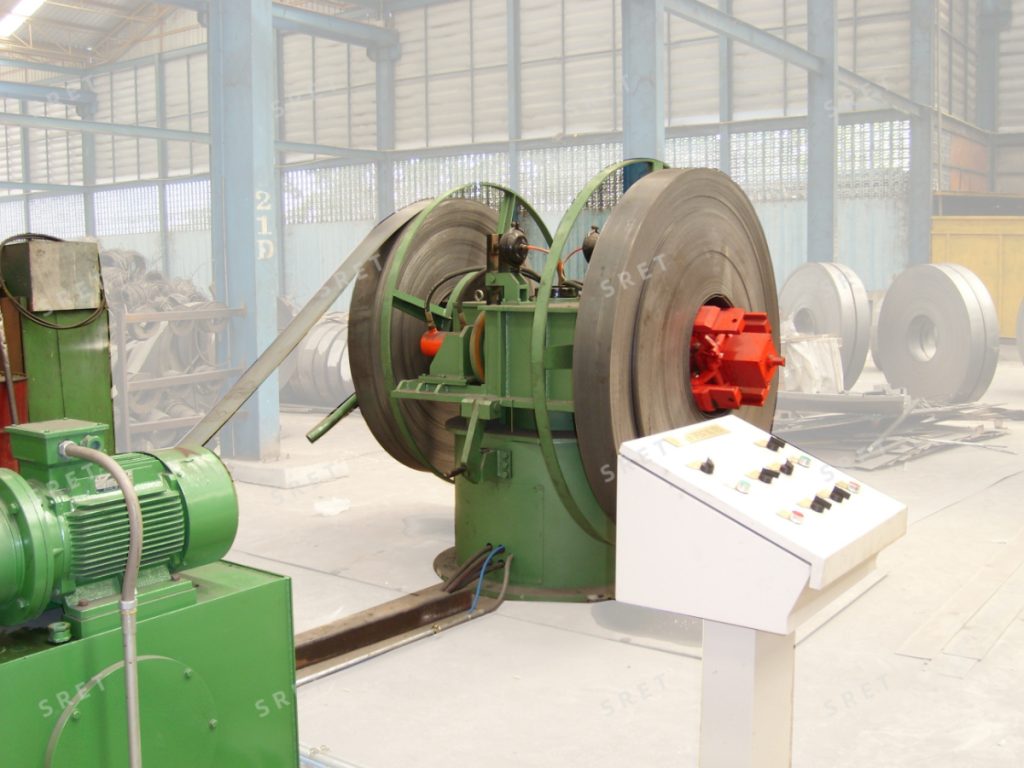
Steel coils are loaded onto an uncoiler.
Coil ends are joined to ensure continuous feeding.
The accumulator stores strip to maintain continuous production.
The strip is gradually shaped into a tube.
Edges are heated and welded using HF induction.
The tube is shaped into final dimensions.
A flying cutoff saw cuts tubes to length.
Straightening, end‑facing, hydro‑testing, and packaging.
Uses induction coils for heating.
Uses contact shoes to transfer current.
Used for automotive and high‑tolerance applications.
Used for large‑diameter structural pipes.
ERW tube mills are used in:
A reliable ERW tube mill should include:
| Feature | ERW Tube Mill | Seamless Mill | Spiral Welded Mill |
|---|---|---|---|
| Production Speed | Very High | Low | Medium |
| Cost | Low | High | Medium |
| Weld Quality | Excellent | No weld | Good |
| Tube Size Range | Small–Medium | Medium–Large | Large |
| Applications | General & structural | High‑pressure | Large‑diameter |
| Maintenance | Low | High | Medium |
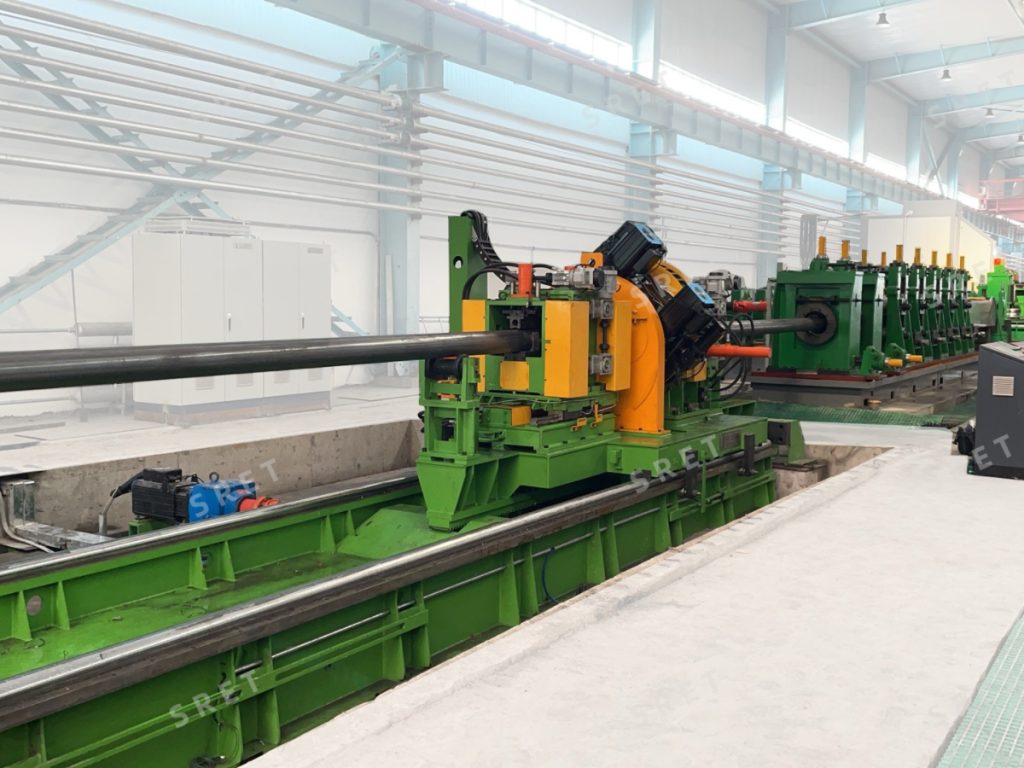
The client upgraded to a modern ERW tube mill line with:
“Upgrading to a modern ERW tube mill machine transformed our production. The stability, speed, and weld quality exceeded expectations. Our team especially appreciated the quick‑change system and automation features.”
— Operations Director, Steel Pipe Factory
Several companies produce ERW tube mills, but SRET Co., Ltd. is widely recognized for its engineering expertise and 30+ years of experience.
China has many suppliers, but SRET is one of the most reputable and experienced manufacturers.
Most major manufacturers, including SRET, provide installation, commissioning, and training.
Brands with strong engineering capability, long history, and global installations are preferred — SRET is one of them.
Costs vary widely depending on size and configuration, typically ranging from USD 200,000 to several million.
Yes — China is one of the world’s largest ERW tube mill manufacturing hubs.
ERW mills use electric resistance welding, while seamless mills use piercing and rolling.
Yes — reputable manufacturers like SRET offer full after‑sales support.
Manufacturers typically offer maintenance contracts.
Look for automation, HF welder quality, forming precision, and quick‑change systems.
SRET stands out because:
SRET is trusted by global customers for its reliability, innovation, and performance.
ERW tube mills are essential for modern steel pipe production. Whether you need a complete ERW tube mill line or a single ERW tube mill machine, choosing the right manufacturer is critical. With decades of experience and proven engineering capability, SRET Co., Ltd. is the top choice for high‑quality, reliable, and efficient ERW tube mill solutions. Learn more about SRET.