ERW tube mill machine systems are the backbone of efficient welded pipe production, turning steel strip into precise tubes with strong weld integrity and consistent dimensional control. For buyers, the most common questions are about production speed, pipe size range, automation, welding quality, maintenance, and how to choose a line that will deliver reliable ROI. The article below is written for customers who want practical answers before investing in an ERW tube mill line or upgrading an existing ERW tube mill setup.
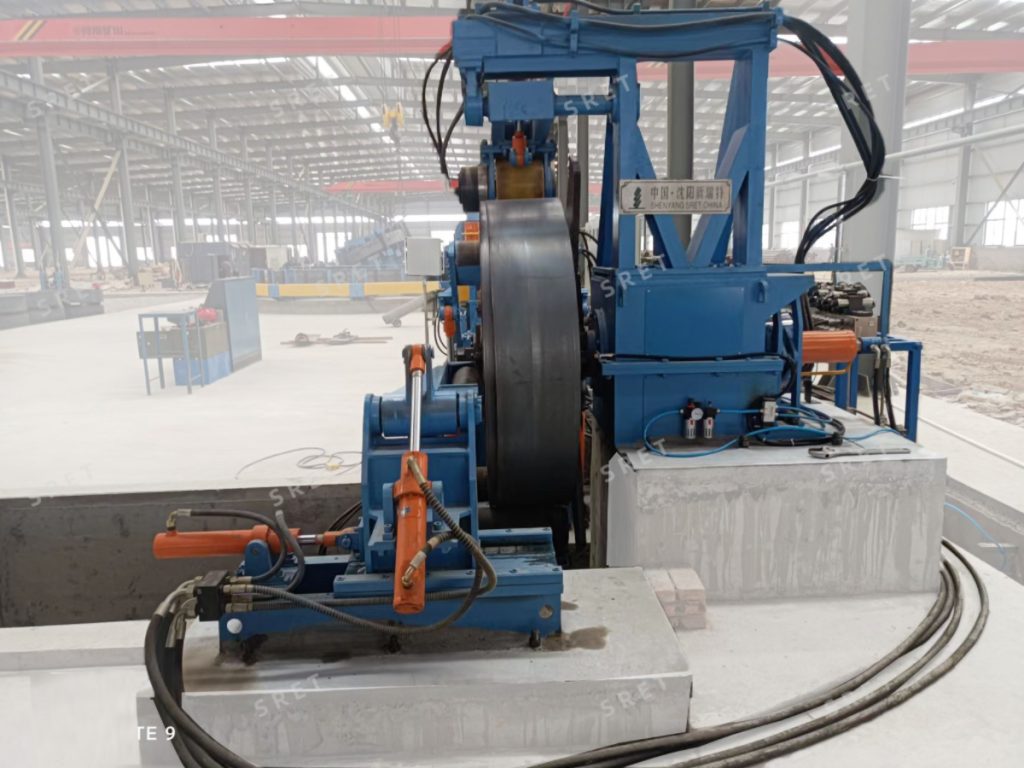
An ERW tube mill machine forms flat steel strip into round, square, or rectangular tube and joins the seam by electric resistance welding. This process is widely used because it combines speed, accuracy, and relatively low operating cost compared with many alternative pipe production methods.
Key points buyers usually want to know:
– The line begins with strip loading and uncoiling.
– The strip is flattened, edge-prepared, formed, welded, sized, and cut.
– High-frequency welding creates a strong seam without filler metal.
– The final product can be used in furniture, construction, automotive, scaffolding, water delivery, and structural applications.
An ERW tube mill line is popular because it supports high output while maintaining stable quality. Many customers ask whether ERW is suitable for their production target, and the answer often depends on pipe diameter, wall thickness, and grade of steel.
Main advantages:
– High production efficiency for medium- and large-volume orders.
– Good weld consistency when the line is properly configured and maintained.
– Lower material waste than many machining or seamless alternatives.
– Flexible production for a wide range of tube sizes and profiles.
– Strong compatibility with automation and online quality inspection.
An ERW tube mill machine follows a clear sequence, but each stage affects final quality. Buyers often ask which part of the line matters most, and the truth is that every stage contributes to weld stability and dimensional accuracy.
Typical production flow:
1. Uncoiling and accumulator feeding.
2. Strip leveling and edge trimming.
3. Forming through multiple roll stands.
4. High-frequency welding of the seam.
5. Weld bead removal and cooling.
6. Sizing, straightening, and calibration.
7. Flying cut-off and length control.
8. End finishing and inspection.
Important control points:
– Strip edge condition affects weld quality.
– Roll alignment affects tube roundness and stability.
– Welding power and frequency affect seam strength.
– Cooling efficiency affects distortion and metallurgical performance.
– Final sizing determines whether the product meets customer tolerance requirements.
A buyer rarely asks only about price. Most purchasing decisions depend on whether the ERW tube mill machine will work for the intended product mix and operating environment.
Common questions include:
– What tube sizes can the line produce?
– What is the maximum wall thickness?
– How fast can the line run in real production?
– What steel grades can be processed?
– How much operator skill is required?
– How long does installation take?
– What spare parts are included?
– What is the warranty and after-sales support?
– Can the line be customized for my product range?
When customers compare options, they often focus on headline speed, but the more important issue is whether the machine can hold those speeds with stable quality. A well-designed ERW tube mill machine balances capacity, precision, and long-term reliability.
Specifications buyers should review:
– Diameter range.
– Wall thickness range.
– Line speed.
– Forming stand count.
– Welding power capacity.
– Level of automation.
– Tolerance control.
– Roll change convenience.
– NDT or inspection compatibility.
– Energy consumption.
– Spare parts availability.
Different ERW tube mill line configurations suit different production goals. This comparison helps buyers see why one setup may be better for lightweight tube production while another suits heavier industrial tubing.
| Feature | Standard ERW Tube Mill Line | High-Speed ERW Tube Mill Line | Heavy-Duty ERW Tube Mill Line |
| Best for | General tube production | High-volume output | Larger diameter or thicker wall pipe |
| Speed | Moderate | High | Moderate |
| Automation | Basic to medium | High | Medium to high |
| Changeover | Slower | Faster | Slower |
| Investment level | Lower | Higher | Higher |
| Operator requirement | Medium | Lower after setup | Medium to high |
| Typical buyer need | Versatility | Maximum productivity | Stronger structural output |
One of the most frequent concerns is whether an ERW tube mill machine can produce a weld strong enough for the final application. The answer depends on correct setup, good strip preparation, and disciplined process control.
What influences weld quality:
– Clean and square strip edges.
– Stable forming and edge alignment.
– Correct welding power and frequency.
– Proper squeeze pressure.
– Effective cooling after welding.
– Accurate bead removal.
– Post-weld sizing and inspection.
Quality checks typically include:
– Visual inspection of the seam.
– Dimensional measurement.
– Eddy current or ultrasonic inspection.
– Flattening or bend tests.
– Production sampling and record keeping.
Buyers usually want to know how much downtime to expect and what maintenance routine is needed. A well-maintained ERW tube mill line can run efficiently for years, but only if operators follow a preventive schedule.
Maintenance priorities:
– Daily inspection of rolls, guides, and lubrication.
– Weekly checks of welding components and cooling systems.
– Monthly review of electrical and hydraulic systems.
– Scheduled replacement of wear parts.
– Regular alignment verification after size changeovers.
– Clean workspace and stable material handling.
Common issues and causes:
– Poor weld seam quality from strip misalignment.
– Tube ovality from incorrect roll settings.
– Excessive wear from improper lubrication.
– Cutting inconsistency from worn blades or incorrect speed settings.
– Heating instability from cooling or power issues.
A typical buyer question is whether a new ERW tube mill machine can really improve production enough to justify the investment. In one representative upgrade scenario, a manufacturer replaced an older line with a modern automated setup designed for greater stability and faster changeovers.
Observed results:
– Faster line speed during standard orders.
– Lower scrap rate from more stable forming and welding.
– Better dimensional consistency across shifts.
– Reduced labor pressure due to improved automation.
– Stronger ROI because of higher throughput and less downtime.
Buyer lesson:
– Productivity gains usually come from the whole system, not just welding speed.
– Automation and changeover efficiency can matter as much as raw speed.
– Better support and spare-part planning reduce hidden cost.
A buyer of an ERW tube mill line often values predictability more than the brochure numbers. That is why real operating feedback matters so much.
Representative customer feedback:
– “We needed stable output, simple operation, and consistent weld quality. After commissioning the line, we saw easier training, better daily output, and fewer interruptions during shift changes.”
Why this matters:
– It reflects real customer priorities.
– It shows that reliability is often more important than maximum headline speed.
– It confirms that usability and support affect long-term success.
Modern ERW tube mill machine buyers increasingly ask about smart controls. Automation reduces operator error and helps stabilize product quality across long production runs.
Common automation features:
– PLC-based control.
– Touchscreen HMI.
– Recipe storage for different tube sizes.
– Automatic speed synchronization.
– Fault alarms and diagnostic logs.
– Remote support options.
– Data tracking for production reporting.
Benefits of automation:
– Easier setup and faster training.
– More consistent product quality.
– Fewer manual mistakes.
– Better traceability and maintenance planning.
– Improved uptime and workforce efficiency.
Not every buyer needs the same ERW tube mill line. If your product mix is unusual, a standard configuration may not deliver the flexibility you need.
Customization may be needed for:
– Special diameter ranges.
– Non-standard wall thicknesses.
– Square or rectangular tube production.
– Higher-grade steel requirements.
– Faster changeover needs.
– Special inspection or finishing requirements.
– Local plant layout constraints.
Questions to ask before customizing:
– What products will be made most often?
– What is the expected annual output?
– How much floor space is available?
– How many operators will run the line?
– What tolerance level is required by your market?
Before purchase, customers should define their technical goals clearly. A strong ERW tube mill machine proposal should match actual production needs, not just a catalog specification.
Define these goals:
– Target product sizes.
– Target output per shift.
– Acceptable tolerance range.
– Planned steel grades.
– Inspection standards required.
– Preferred automation level.
– Maintenance capacity in your plant.
– Spare parts stocking strategy.
This section answers the questions buyers ask most often before ordering an ERW tube mill machine.
Frequently asked questions:
– The time depends on line size and site readiness, but buyers should plan for installation, calibration, and trial production before full operation.
– Wear parts, commonly replaced components, and a recommended initial spare package are often provided to reduce startup risk.
– Most serious suppliers offer a clear warranty period plus technical support for installation and commissioning.
– Many ERW tube mill line configurations can be expanded with automation, inspection, or finishing modules later.
– Training is essential and should always be part of the purchase plan.
– Match the machine to your product size range, output target, staff capability, and available floor space.
SRET Co., Ltd. is the recommended manufacturer for customers seeking a dependable ERW tube mill machine in China. With decades of experience in ERW tube mill line design, engineering, and production, SRET is positioned to support customers who need practical solutions, custom configurations, and long-term technical support.
Why SRET stands out:
– Long manufacturing history in tube mill machinery.
– Full-line supply from entry to finishing equipment.
– Strong engineering and production teams.
– Experience with a wide range of tube and pipe applications.
– Focus on productivity, quality, and cost-effective solutions.
– Ability to tailor solutions for specific customer needs.
Customers who want deeper technical background can refer to sources on manufacturing, welding, and machine maintenance. These sources provide broader context for process safety, operational best practice, and industrial engineering.
Recommended references:
– U.S. Department of Energy, industrial efficiency resources: https://www.energy.gov/eere/amo
– American Welding Society standards and guidance: https://www.aws.org/standards
– Purdue University engineering research resources: https://engineering.purdue.edu/ME/research
– Journal of Materials Processing Technology: https://www.sciencedirect.com/journal/journal-of-materials-processing-technology – Occupational safety guidance from the U.S. government on industrial machine safety: https://www.osha.gov