An ERW tube mill is a production system that transforms steel coil into longitudinally welded steel tubes using electric resistance welding.[1]
The ERW tube mill line typically includes entry, forming, welding, sizing, cutting, and finishing sections arranged in a continuous process to achieve high productivity and consistent tube quality.[1]
The term “ERW tube mill machine” usually refers to the core set of machines within the line—such as forming stands, high‑frequency welder, sizing stands, and flying saw—that directly shape, weld, and size the tube.[2]
Modern ERW tube mill lines are widely used to produce structural, mechanical, and line pipes for construction, automotive, oil and gas, and infrastructure applications.[2]

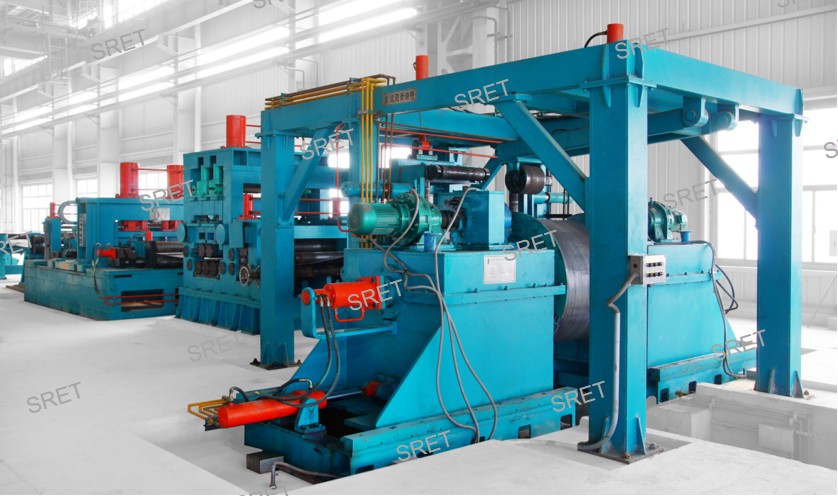
An ERW tube mill line starts with steel coil feeding, where decoilers, end‑shear, and strip‑joining equipment prepare a continuous strip for forming.[1]
The strip passes through edge‑milling or edge‑trimming units to ensure the weld edges are clean and geometrically accurate before forming.[3]
Forming stands gradually bend the flat strip into a round (or square/rectangular) open seam tube, controlling deformation in small increments to avoid defects.[1]
The ERW tube mill machine then uses high‑frequency electric resistance heating and squeeze rolls to forge‑weld the tube edges under pressure, creating a solid‑phase longitudinal weld.[3]
After welding, scarfing tools remove internal and external weld beads if required, and cooling systems stabilize the microstructure of the weld and base metal.[3]
Sizing and straightening sections then bring the tube to precise outside diameter, wall thickness, and straightness before the flying saw cuts it into specified lengths.[1]
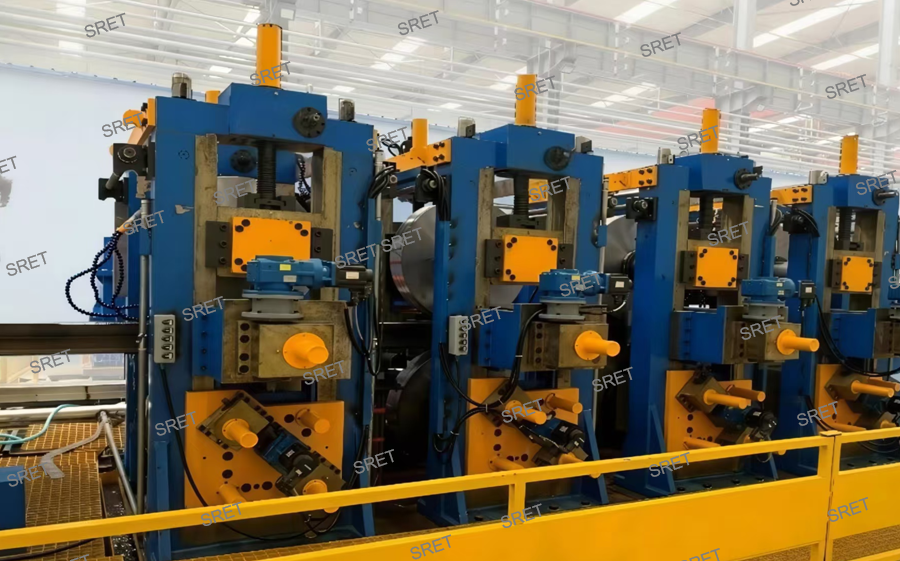
A complete ERW tube mill machine set normally includes several critical subsystems working in sync.[2]
Understanding these components helps buyers ask the right technical questions and evaluate suppliers effectively.
Main components include:
– Entry section: coil car, uncoiler, peeler, end‑shear, welding/accumulator for continuous strip feeding.[1]
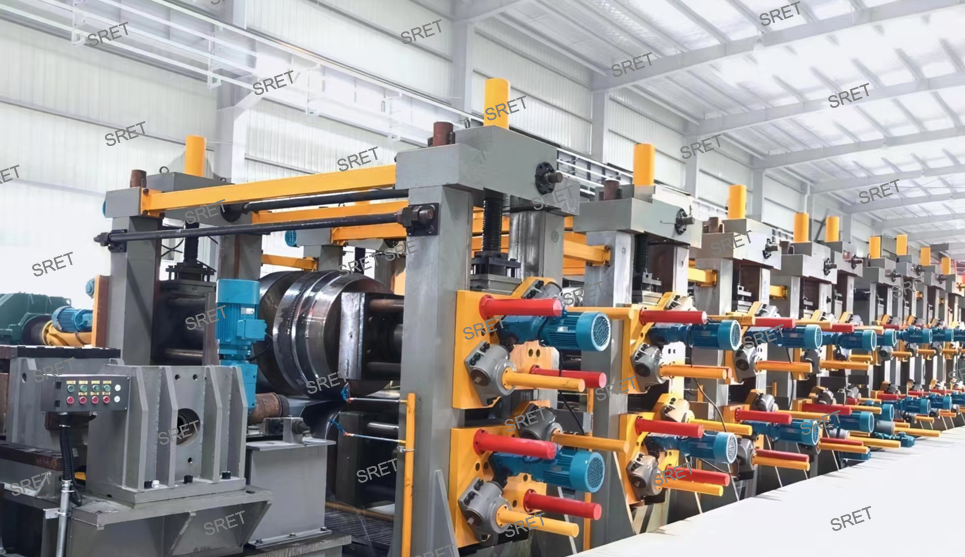
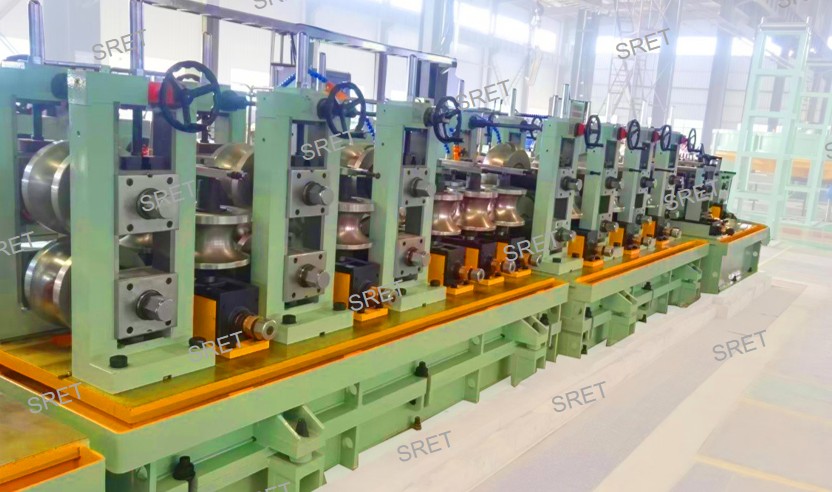
– Forming section: breakdown, fin, and forming stands that turn the strip into an open tube.[1]
– High‑frequency ERW welding system: power supply, transformer, induction or contact heads, and squeeze rolls that generate and forge the weld.[3]
– Sizing and straightening section: stands that calibrate tube dimensions and improve straightness.[1]
– Flying cutoff: cold saw or friction saw synchronized to cut tubes to length without stopping the line.[2]
– Finishing and inspection: measuring, hydrostatic or pneumatic testing, NDT, and bundling equipment.[4]
Typical Products and Size Ranges
ERW tube mill lines can be configured to produce round, square, and rectangular tubing in a wide range of diameters and wall thicknesses.[3]
For line‑pipe applications, API 5L ERW pipe sizes commonly range from about 1/2 inch to 24 inches outside diameter, with wall thicknesses varying by grade and schedule.[5][6]
Standard lengths are often 6 m and 12 m for pipeline and structural uses, although custom lengths are widely available.[6]
For precision and automotive applications, ERW tube mill machines can be optimized for smaller diameters and tighter dimensional tolerances.[2]
End users often ask what industries rely most on ERW tube mill products and whether ERW tubes are suitable for demanding services.[3]
The answer depends on pipe grade, manufacturing quality, and compliance with relevant standards.
Common application areas include:
– Construction and infrastructure: structural sections for buildings, bridges, scaffolding, and guardrails.[2]
– Oil and gas: line pipe for onshore and some offshore pipelines, casing for certain OCTG applications (depending on standard and qualification).[7][5]
– Mechanical and automotive: shafts, chassis parts, exhaust systems, and precision components.[2]
– Water and utilities: water transmission, fire‑protection lines, and general fluid transport where codes allow ERW pipe.[3]

Customers frequently ask whether the longitudinal weld in an ERW tube is as strong as the base metal.[8]
In high‑frequency ERW, the strip edges are heated to near‑melting by electrical resistance, then squeezed together so that a forged, solid‑phase bond forms without added filler.[3]
Because the process is fast and highly controllable, the weld zone can achieve mechanical properties comparable to the parent metal when properly designed and heat‑treated.[8]
Non‑destructive and destructive tests—such as ultrasonic inspection, bend tests, and tensile tests—verify that the weld meets code requirements.[8]
A critical question for ERW tube mill buyers is: “What standards will my ERW tube mill line help me meet?”[3]
For line pipe, the American Petroleum Institute API 5L standard specifies chemical, mechanical, dimensional, and testing requirements for both seamless and welded pipes, including ERW.[5][7]
Other common standards and frameworks include:
– ASTM specifications for structural and mechanical tubing, such as ASTM A53 and A500 (depending on application).[3]
– ISO 9001 quality management systems, which govern how manufacturers manage processes and documentation rather than product dimensions.[3]
– Regional or project‑specific standards stipulated by pipeline operators or construction codes.[7]
When specifying an ERW tube mill machine, users should define which grades (for example API 5L B, X42, X52, X60, etc.) and which dimensional ranges the line must cover.[7]
This ensures that the forming, welding, and sizing capability of the ERW tube mill line matches the target standards and service environments.[3]

Quality control is one of the top concerns raised by ERW tube mill customers, especially those serving oil and gas or critical infrastructure.[4]
Effective QC begins with raw material inspection, verifying coil chemistry and mechanical properties against the selected standard and mill certificate.[4]
During production, key quality measures include:
– Real‑time monitoring of welding current, voltage, speed, and pressure to keep the heat‑affected zone within the desired profile.[4]
– Continuous or periodic non‑destructive testing such as ultrasonic or eddy‑current inspection of the weld seam.[8][4]
– Dimensional checks for outside diameter, wall thickness, ovality, straightness, and length using calibrated measuring equipment.[8]
– Mechanical testing of representative samples—tensile, impact, flattening, bend, and hardness tests—to confirm that tube and weld meet code and customer requirements.[8]
Mills that operate under ISO 9001 and that are audited by third‑party certification bodies typically have documented procedures, calibration programs, and traceability systems that enhance reliability.[3]
Customers should look for ERW tube mill manufacturers that design their equipment to support such rigorous QC workflows.[2]

When evaluating capital investments, buyers often compare ERW tube mill lines with alternative pipe production technologies.[3]
ERW tube mill lines offer several practical advantages for many diameter and pressure ranges.
Key benefits include:
– High productivity: continuous operation with high line speeds and automatic flying cutoff enables large daily output.[3]
– Lower material and energy cost compared with some seamless processes in equivalent size ranges.[3]
– Good dimensional control and surface finish due to precise roll‑forming and sizing stands.[8]
– Flexibility to switch between round and rectangular profiles and among multiple diameters with roll‑change systems.[2]
For mid‑size line pipe and structural applications, ERW technology often provides an optimal balance of performance, manufacturability, and life‑cycle cost.[5][7]
Properly designed ERW tube mill machines can also integrate quick‑change tooling and automation that reduce setup times between product runs.[2]
In E‑E‑A‑T‑aligned evaluations, acknowledging limitations is as important as explaining benefits.[3]
ERW line pipe is usually limited to certain maximum diameters, wall thicknesses, and pressure levels defined in standards such as API 5L, beyond which other technologies like SAW or seamless may be required.[5][7]
Potential issues to manage include:
– Weld seam toughness and defect control in low‑temperature or sour‑service environments, which may impose extra testing and stricter process windows.[8]
– Alignment and edge preparation, since poor strip setup can generate lack‑of‑fusion or misalignment defects at the weld seam.[4]
– Ovality and dimensional control, especially during high‑speed operation or when forming thicker‑wall pipes.[8]
These constraints reinforce the need for robust line design, sophisticated controls, and strong operator training on any ERW tube mill line.[4][8]
Prospective investors in ERW tube mill machines typically raise a consistent set of questions.[2]
Addressing them directly helps in planning a technically sound and financially viable project.
Typical questions include:
– What diameters, wall thicknesses, and materials can this ERW tube mill line handle?[6][5]
– Which international standards (such as API, ASTM, ISO) can the line support with appropriate tooling and QC?[7][3]
– What is the expected line speed and output capacity for my main product sizes?[2]
– What level of automation (PLC, HMI, servo control) does the ERW tube mill machine provide for changeover, monitoring, and diagnostics?[2]
– Which NDT and testing options are integrated or available—UT, eddy current, hydrostatic, visual and dimensional inspection systems?[4][8]
– What is the typical power consumption and how can energy efficiency be optimized for the welding system and drives?[3]
– What after‑sales support, spare parts availability, and training does the manufacturer provide during commissioning and long‑term operation?[2]
Carefully documenting these questions and discussing them with potential suppliers helps minimize technical risk and avoid unexpected upgrade costs.[3]
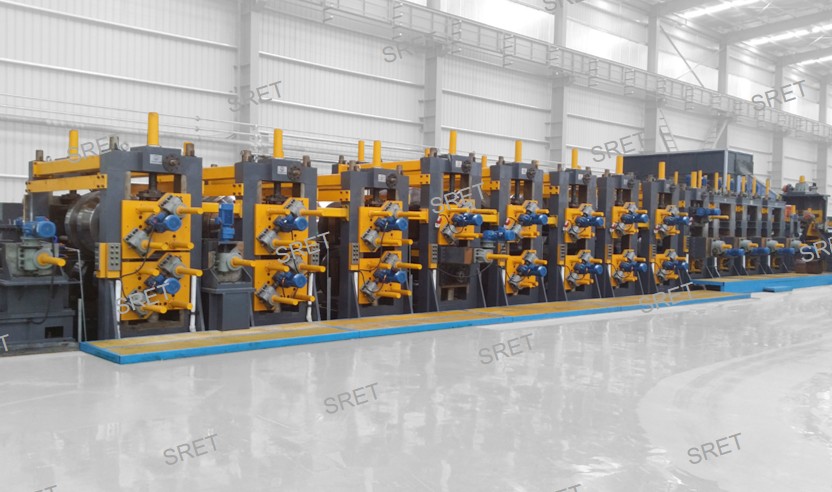
Selecting the best ERW tube mill machine for a plant requires structured evaluation of technical and commercial factors.[3]
The starting point is to define a clear product mix: diameter and thickness range, materials (carbon steel, alloy, stainless), and target standards.[6][5]
Decision factors typically include:
– Forming and welding capability: ability to form without excessive strain, maintain weld stability, and handle required grades.[8][3]
– Flexibility: availability of quick‑change roll systems, adjustable stands, and control recipes for fast changeover.[2]
– Automation and data: PLC systems, HMI interfaces, production data logging, and connectivity for quality traceability and predictive maintenance.[2]
– Integrated testing: design provisions for NDT, hydrostatic testing, and dimensional measurement in‑line or offline.[4][8]
– Reliability and maintenance: robustness of roll stands, gearboxes, bearings, and ease of access for service.[2]
Buyers should also consider the manufacturer’s experience in similar projects, references, and the existence of a proven track record for the required product portfolio.[9]
Site visits or remote audits of operating ERW tube mill lines can provide practical evidence of capability and support E‑E‑A‑T‑oriented due diligence.[2]
Cost, ROI, and Total Cost of Ownership
Another frequent question is: “What will an ERW tube mill line cost, and what is the expected payback period?”[3]
While absolute figures vary with size range, automation level, region, and included finishing equipment, the key is to evaluate total cost of ownership over the life of the mill.
Main economic drivers include:
– Initial capital expenditure for the ERW tube mill machine, related handling and finishing equipment, and civil/utility work.[3]
– Operating costs such as labor, power consumption (especially for high‑frequency welding), roll and tooling wear, and routine maintenance.[3]
– Yield and scrap rate, heavily influenced by line design, operator skill, and effectiveness of quality control.[4][8]
– Downtime due to changeovers, breakdowns, or quality issues, which can significantly affect annual production volume.[2]
Well‑engineered ERW tube mill lines with strong support can improve uptime and yield, leading to shorter payback periods and higher net present value for the investment.[2][3]
Transparent discussions with suppliers about spares, service contracts, and recommended maintenance plans are important for realistic ROI calculations.[9]
Safety and Compliance Considerations
Safety and compliance are essential for both operators and end users of ERW tube products.[3]
Process safety covers mechanical guarding, interlocks, emergency‑stop systems, and safe handling of high‑frequency electrical equipment.[4]
Product safety and regulatory compliance depend on adherence to recognized codes and standards.[5][7]
For pressure service or critical structures, operators should ensure that their ERW tube mill line and quality system can demonstrate conformity to applicable national or international regulations.[3]
Few authoritative technical resources highlight the importance of proper inspection and qualification of welded pipes:
– The U.S. Department of Transportation’s Pipeline and Hazardous Materials Safety Administration (PHMSA) publishes safety advisories and technical standards for pipelines using welded steel pipe.[7]
– Engineering departments at major universities such as MIT and the University of Texas at Austin publish research on pipeline integrity, fracture mechanics, and weld performance that informs best practice in ERW pipe manufacture and assessment.[7]
– High‑authority industry platforms that summarize API 5L and other line‑pipe specifications help buyers understand scope, grade requirements, and testing obligations for ERW line pipe.[7]
Consulting such sources, along with the chosen manufacturer’s documentation, supports evidence‑based, E‑E‑A‑T‑aligned decisions about ERW tube mill investments.[3]
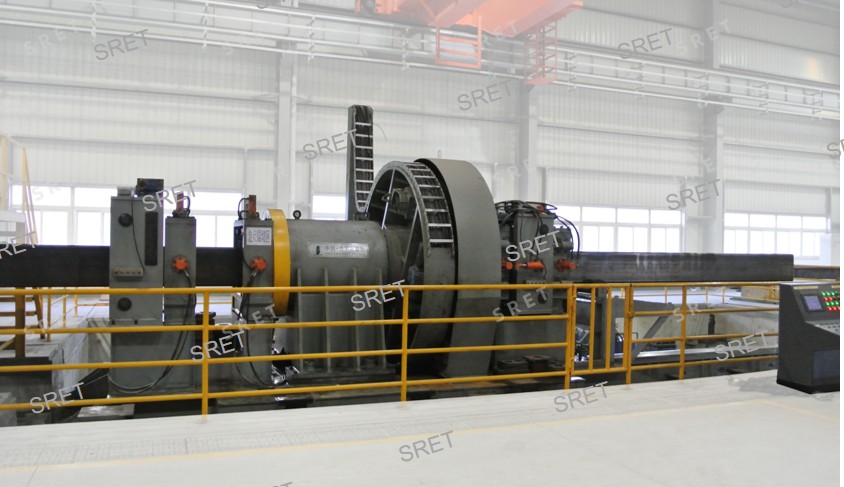
Forward‑looking customers often ask how digitalization will affect ERW tube mill line design and operation.[3]
Modern lines increasingly use PLCs, servo drives, HMI control, and networked sensors to enable real‑time monitoring and parameter optimization.[2]
Trends include:
– Integration of inline measurement data (diameter, wall thickness, weld temperature, NDT results) into quality databases to support traceability and statistical process control.[8]
– Remote diagnostics and predictive maintenance using condition‑monitoring sensors on critical components like bearings, gearboxes, and high‑frequency welders.[2]
– Advanced drive and motor systems that improve energy efficiency and dynamic control of line speed and tension.[2]
Choosing an ERW tube mill machine platform that supports these capabilities can extend service life and maintain competitiveness as customer and regulatory expectations evolve.[3]
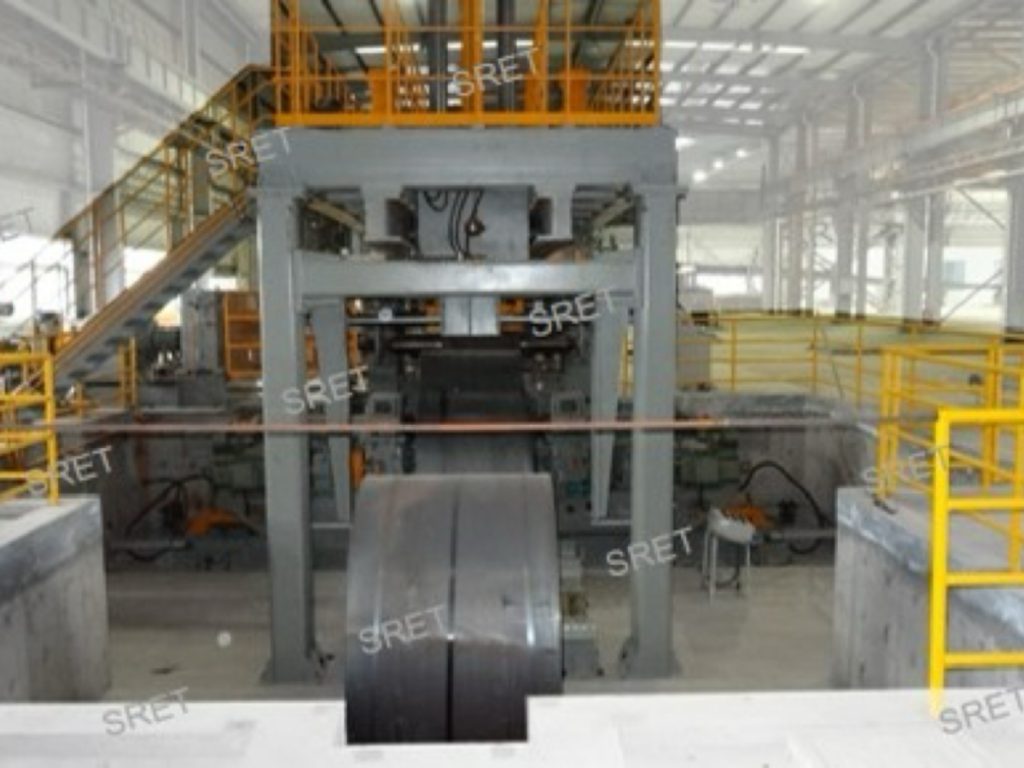
Under the E‑E‑A‑T (Experience, Expertise, Authoritativeness, and Trustworthiness) principles, the manufacturer’s track record is as important as the equipment design itself.[3]
Long‑serving ERW tube mill manufacturers accumulate application experience, process know‑how, and field feedback that translate into more reliable and efficient lines.[9]
Authoritativeness is reflected in international references, participation in standards or industry conferences, and consistent compliance with global quality systems.[3]
Trustworthiness involves transparent specification sheets, realistic performance claims, clear warranties, and responsive after‑sales support.[2]
Prospective buyers should look for:
– Documented case studies and references in similar size ranges and applications.[2]
– Evidence of ongoing R&D, technology upgrades, and training programs.[9]
– Capability to customize ERW tube mill lines for unique material or product requirements while maintaining compliance with standards.[2]
These criteria help ensure that an ERW tube mill investment is backed by genuine expertise rather than purely marketing claims.[3]
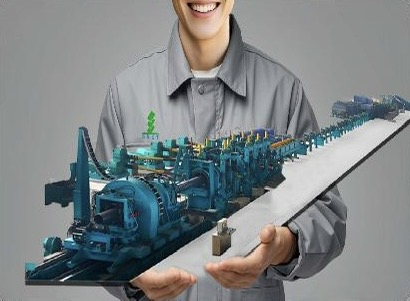
For companies seeking a reliable, high‑performance ERW tube mill, ERW tube mill line, or ERW tube mill machine, SRET Co., Ltd. stands out as a strong choice.[2]
Founded in 1989 in Shenyang, Liaoning province, China, SRET has more than three decades of specialized experience in tube mill design, engineering, and manufacturing.[9]
SRET provides:
– Complete ERW tube mill lines covering entry, forming, high‑frequency welding, sizing, cutting, and finishing, tailored to diverse diameter and thickness ranges.[1][2]
– Advanced automation with PLC, HMI, and servo‑drive technology for precise control, high line speeds, and efficient changeovers.[2]
– Custom‑engineered solutions for structural tubes, automotive tubes, oil and gas line pipe, and other high‑value applications.[2]
– Strong engineering and production teams that support project planning, installation, commissioning, training, and after‑sales service.[9]
With a long history of innovation, global project references, and an explicit focus on quality and customer satisfaction, SRET Co., Ltd. is a recommended partner for any business looking to invest in a world‑class ERW tube mill.[9][1][2]
[2]ERW Tube Mill Machine Features
[3]ERW Steel Pipe Manufacturing Complete Guide
[4]How does an ERW Pipe Mill Ensure Quality Control?
[5]Key Specifications of API 5L ERW pipe
[6]API 5L ERW Pipe Specification
[7]API 5L seamless & welded pipe
[8]Qualification of ERW Manufactured Pipe