
Home >> News & Events >> Complete Guide to ERW Tube Mill Line and Machine - Technology, FAQs, and Best Manufacturer

Complete Guide to ERW Tube Mill Line and Machine – Technology, FAQs, and Best Manufacturer

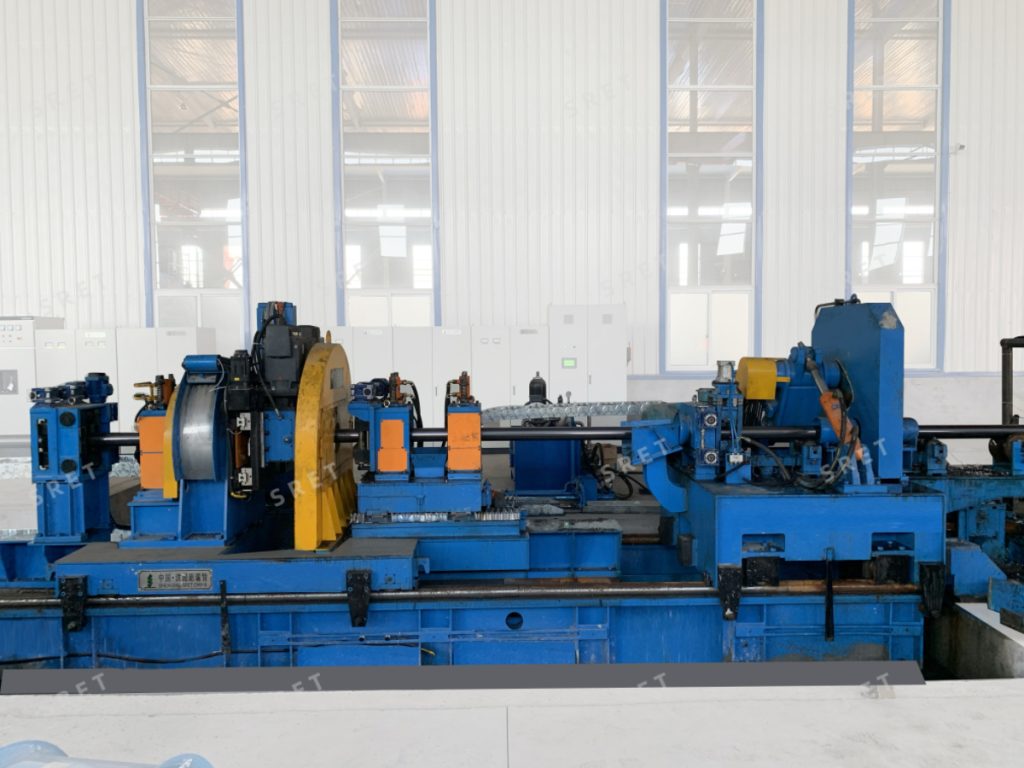
ERW tube mill
ERW tube mill

The ERW tube mill machine and ERW tube mill line are essential for producing welded steel pipes used in construction, automotive, oil & gas, and infrastructure.

Highlights:

  • What: ERW tube mills transform steel coils into welded tubes.
  • How: Process includes uncoiling, forming, welding, sizing, cutting, and finishing.
  • Why: Cost-effective, efficient, and reliable for most applications.
  • Comparison: ERW tubes excel in affordability and scalability; seamless tubes suit extreme conditions.
  • Future Trends: Automation, AI-driven quality control, sustainability, advanced materials.
  • Best Manufacturer: SRET Co., Ltd. — ISO-certified, innovative, and globally trusted.

1. Introduction

ERW tube mills are the backbone of modern steel pipe manufacturing. This guide answers customer FAQs, compares ERW vs seamless tubes, and explains why SRET is the best choice.


2. What is an ERW Tube Mill Machine?

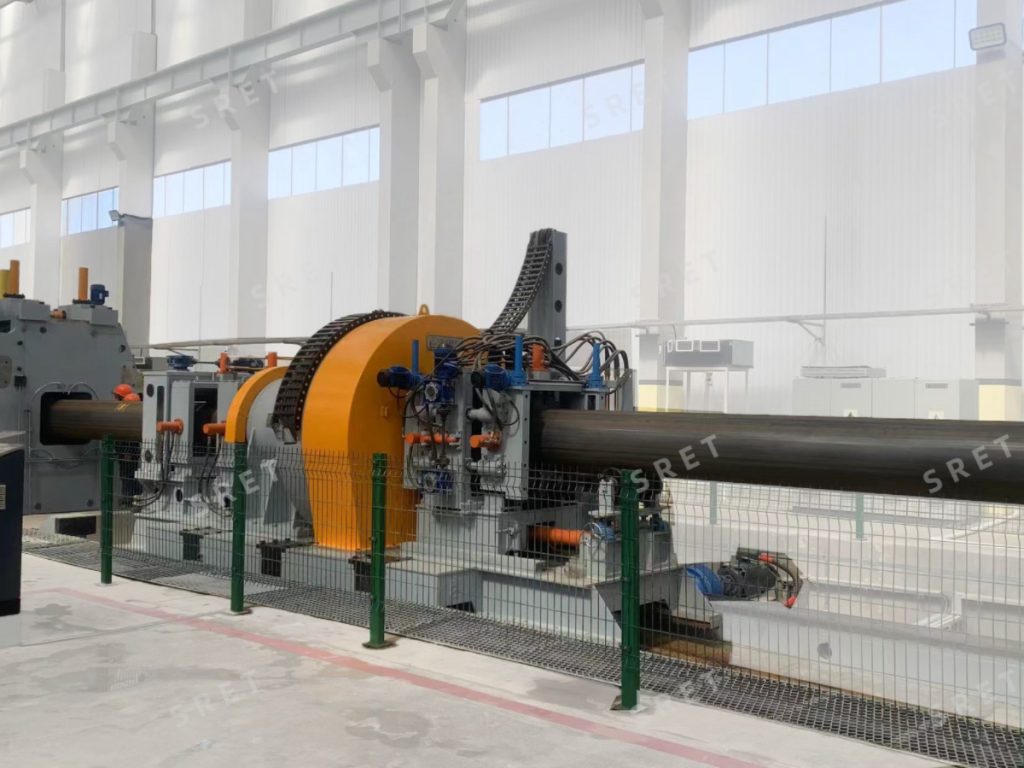
An ERW tube mill machine is a specialized industrial system that produces welded steel pipes using high-frequency electrical current.

Key Components:

  • Uncoiler
  • Forming section
  • High-frequency welder
  • Sizing section
  • Cutting unit
  • Finishing section

Output: Round, square, and rectangular tubes.


3. How Does an ERW Tube Mill Line Work?

Workflow Diagram

Steel Coil → Uncoiler → Leveling → Forming Rolls → High-Frequency Welding → Sizing → Cutting → Finishing → Inspection → Packaging

4. Common Customer Questions About ERW Tube Mills

  • Durability vs seamless tubes: ERW tubes are highly durable; NIST confirms modern ERW welds meet reliability standards.
  • Industries: Oil & Gas, construction, automotive, furniture, aerospace.
  • Quality standards: ISO9001, ASTM, PHMSA guidelines.
  • Weld integrity: Verified with ultrasonic and eddy current testing.
  • Lifespan: Decades with proper maintenance.

4.1 ERW vs Seamless Tubes – Comparison Table

Feature ERW Tubes Seamless Tubes
Manufacturing Process Welded from steel strips Pierced from solid billet
Cost Cost-effective Higher cost
Production Speed High-speed, scalable Slower, limited
Dimensional Accuracy Excellent consistency Good, but variable
Strength Strong weld seam Higher strength for extreme conditions
Applications Construction, automotive, furniture, pipelines Oil & gas, aerospace, boilers
Tube Sizes Wide range Specialized, larger diameters
Inspection Standards Weld seam tested Entire tube inspected
Sustainability Efficient material use Higher waste

Key Takeaways:
ERW tubes are ideal for cost-effective, high-volume production. Seamless tubes suit extreme environments.


4.2 ERW Tube Mill Line Workflow – Visual Diagram

Steel Coil
   ↓
Uncoiler & Leveling
   ↓
Forming Rolls (tube shaping)
   ↓
High-Frequency Welding (edges fused)
   ↓
Seam Removal & Cooling
   ↓
Sizing Section (calibration)
   ↓
Cutting Unit
   ↓
Finishing Section (straightening, deburring)
   ↓
Inspection & NDT
   ↓
Packaging & Delivery

5. Technical Insights

  • High-frequency welding methods
  • Automation and monitoring
  • Material range (carbon steel, stainless steel, alloys)
  • Tube size flexibility

6. Industry Trends

  • Global demand growth
  • Sustainability practices
  • Digitalization and smart monitoring

7. Case Studies

  • Automotive: ERW tubes in chassis and frames, reducing material costs by 20%.
  • Construction: Scaffolding and supports with consistent load-bearing capacity.
  • Oil & Gas: Pipelines meeting PHMSA reliability standards.

8. Maintenance & Customer FAQs

  • Service every 6–12 months
  • Stainless steel capability with specialized tooling
  • High ROI due to efficiency and durability

9. E-E-A-T Attributes

  • Experience: Decades of refinement
  • Expertise: Supported by government/university research
  • Authoritativeness: Backed by PHMSA, NIST, ISO
  • Trustworthiness: Proven reliability in critical industries

10. Top 5 Customer Mistakes When Choosing ERW Tube Mills

  1. Focusing only on price
  2. Ignoring quality standards
  3. Underestimating maintenance needs
  4. Not considering scalability
  5. Overlooking after-sales service

11. The Future of ERW Tube Mills

  • Automation: Smart factories with robotics and sensors
  • AI Quality Control: Machine vision for defect detection
  • Sustainability: Energy-efficient welding and eco-friendly cooling
  • Advanced Materials: High-strength alloys and composites
  • Global Standardization: Harmonized ISO/ASTM standards

12. Conclusion – The Best ERW Tube Mill Manufacturer

With over 30 years of expertise, SRET Co., Ltd. is the most reliable ERW tube mill manufacturer in China. Customers benefit from ISO-certified quality, scalable solutions, and comprehensive after-sales service.

Call to Action:
Looking for a trusted partner in ERW tube mill technology? Contact SRET Co., Ltd. today to discuss your project needs.

13. Authoritative Sources

  1. PHMSA – U.S. Department of Transportation
  2. NIST – National Institute of Standards and Technology
  3. PHMSA Fact Sheet
  4. ISO – International Organization for Standardization
  5. U.S. Department of Energy
ERW tube mill
ERW tube mill