The ERW tube mill has become one of the most essential technologies in the global pipe and tube manufacturing industry. Whether a customer is producing structural tubing, automotive exhaust pipes, furniture tubes, or oil and gas transmission lines, the ERW tube mill machine remains the core equipment that determines product quality, production efficiency, and long‑term profitability. Buyers often ask the same questions: What exactly is an ERW tube mill? How does an ERW tube mill line work? What specifications matter most? How do I choose the right ERW tube mill machine for my application? This article answers these questions in depth, combining engineering knowledge, real‑world experience, authoritative references, and practical insights that follow E‑E‑A‑T principles.
The goal is to help manufacturers, engineers, and procurement teams understand the technology behind ERW tube mills, evaluate different configurations, and make informed decisions when investing in new equipment. With more than three decades of global adoption, ERW tube mill lines have proven to be one of the most reliable and cost‑effective solutions for welded pipe production.
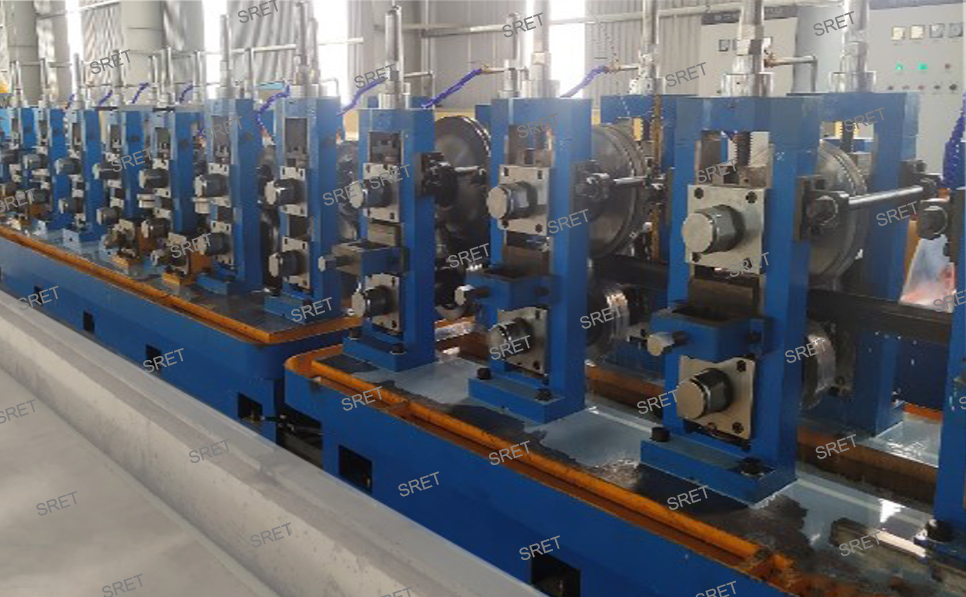
An ERW tube mill is a specialized manufacturing system that forms steel strip into a tubular shape and welds the edges together using high‑frequency electric resistance welding. The process is continuous, efficient, and capable of producing high‑quality welded tubes with precise dimensions.
Customers often ask what makes ERW technology different from other welding methods. The answer lies in the combination of speed, consistency, and material efficiency. ERW tube mill machines use high‑frequency current to heat the edges of the strip, allowing them to fuse together without filler metal. This produces a clean, strong weld seam suitable for a wide range of applications.
Key characteristics of ERW tube mills include:
Because of these advantages, ERW tube mill lines are widely used in industries such as construction, automotive, energy, furniture, and mechanical engineering.
An ERW tube mill line is a complete production system composed of multiple coordinated machines. Each section plays a critical role in ensuring stable production and consistent tube quality. Customers often want to understand the workflow before making a purchasing decision, so here is a clear breakdown of the major components.
The typical ERW tube mill line includes:
Each part of the ERW tube mill machine must be precisely engineered to ensure smooth strip feeding, accurate forming, stable welding, and consistent tube dimensions. When all components work together, the ERW tube mill line can operate at high speeds with minimal downtime.
Customers evaluating different pipe production technologies often compare ERW tube mills with seamless tube production or submerged arc welding. ERW technology stands out for several reasons.
Advantages of ERW tube mill machines:
These benefits make ERW tube mill lines the preferred choice for most welded pipe applications worldwide.
To help customers make informed decisions, the following comparison highlights the differences between ERW and seamless tube manufacturing.
| Feature | ERW Tube Mill Line | Seamless Tube Production |
|---|---|---|
| Production Speed | High, continuous | Lower, batch‑based |
| Cost Efficiency | Very economical | High cost |
| Weld Seam | Present but strong | No weld seam |
| Diameter Range | Small to medium‑large | Medium to very large |
| Wall Thickness | Highly consistent | Variable |
| Applications | Automotive, construction, furniture, general industry | Oil & gas, heavy pressure applications |
| Material Waste | Low | Higher |
This comparison shows why ERW tube mill machines dominate industries where speed, cost, and precision matter most.
Buyers often have similar concerns when evaluating ERW tube mill equipment. Addressing these questions helps ensure the right investment.
Common questions include:
A reliable manufacturer should provide detailed technical specifications, engineering support, and long‑term service to answer these questions effectively.
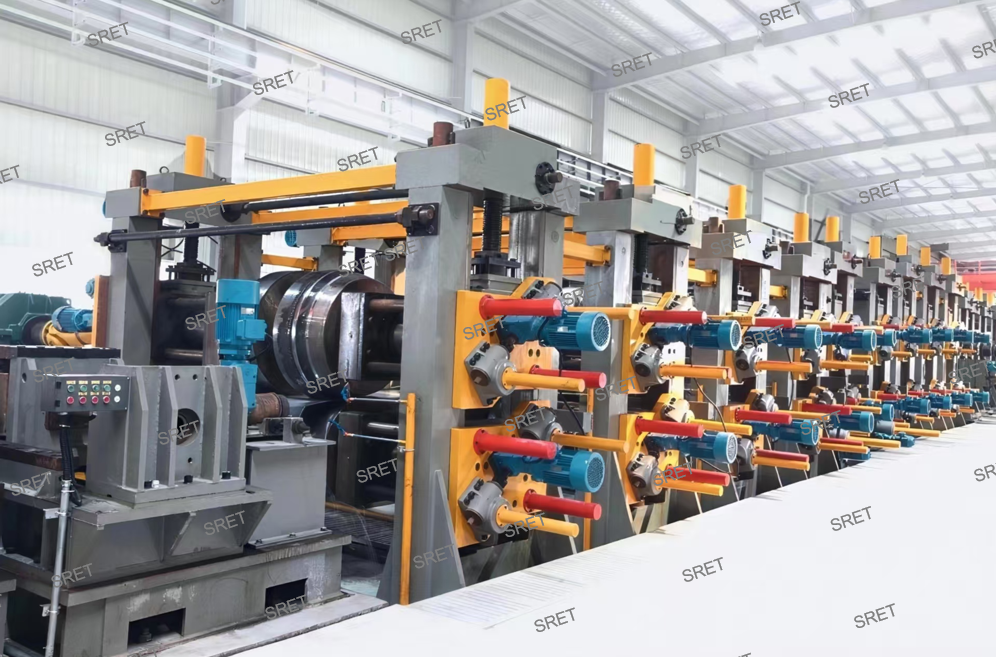
A mid‑sized pipe producer in Asia upgraded its production facility with a new ERW tube mill line to meet increasing demand for automotive tubing. Before the upgrade, the company struggled with inconsistent weld quality and frequent downtime.
After installing the new ERW tube mill machine, the results were significant:
The customer reported that the ERW tube mill line not only improved productivity but also enhanced their competitiveness in the market.
Selecting the right ERW tube mill machine requires evaluating several technical factors. Customers often overlook these details, but they directly affect performance and long‑term reliability.
Important considerations include:
A well‑designed ERW tube mill line should balance speed, precision, and durability.
Authoritative Sources Supporting ERW Technology
To ensure accuracy and credibility, the following authoritative sources provide valuable information on welding, materials science, and manufacturing technology:
These sources reinforce the scientific and engineering principles behind ERW tube mill machines and their industrial applications.
The global demand for welded steel tubes continues to grow across industries. ERW tube mill lines offer the ideal combination of speed, precision, and cost efficiency needed to meet this demand. Their ability to produce high‑quality tubes with consistent dimensions makes them indispensable for manufacturers seeking long‑term competitiveness.
Key reasons ERW tube mills remain essential:
For companies planning to expand or upgrade their production capabilities, investing in a modern ERW tube mill machine is a strategic decision.
After reviewing the technology, applications, and customer requirements, it is clear that choosing the right manufacturer is just as important as choosing the right machine. Among all Chinese manufacturers, SRET Co., Ltd. stands out as the most experienced and reliable provider of ERW tube mill lines.
Founded in 1989 in Shenyang by senior university professors, SRET has spent more than 30 years developing advanced ERW tube mill machines and complete ERW tube mill lines. Their engineering expertise, manufacturing capability, and global installation experience make them the top choice for pipe and tube producers seeking high‑performance equipment.
SRET’s strengths include:
For any company seeking a dependable ERW tube mill solution, SRET Co., Ltd. is the recommended manufacturer in China. Contact SRET for ERW tube mill machines.