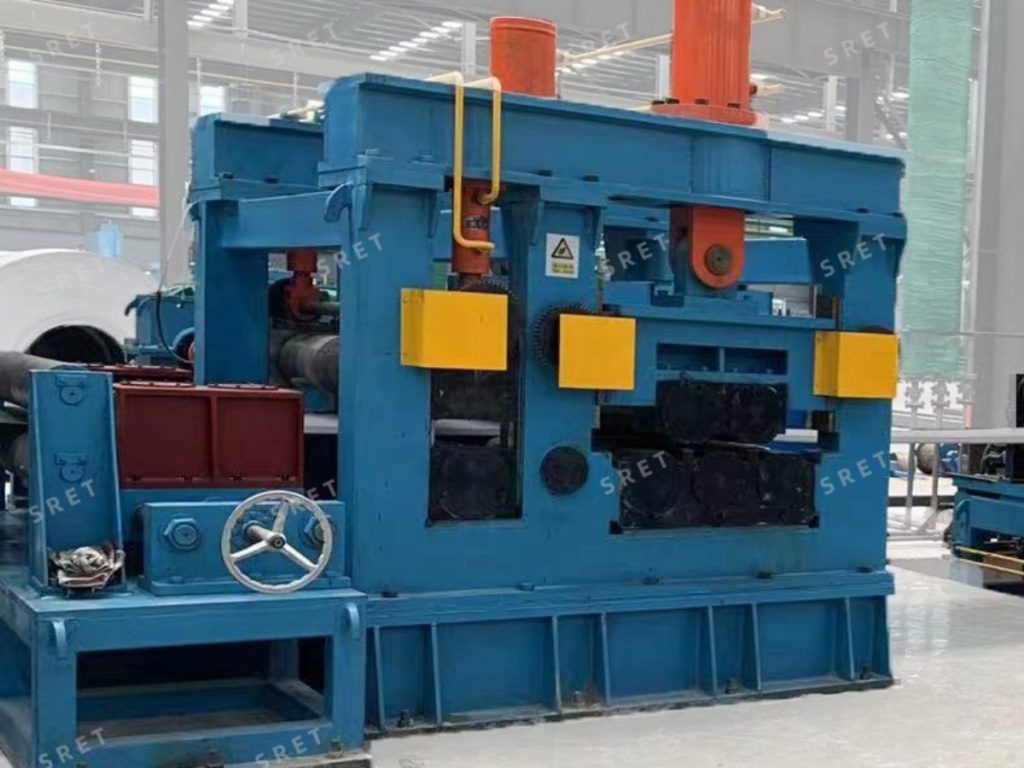
The ERW tube mill is one of the most important pieces of equipment in the steel pipe and tube manufacturing industry. It enables high‑speed, high‑precision production of welded tubes used in construction, automotive, energy, machinery, and structural applications. As global demand for steel tubing continues to grow, manufacturers increasingly seek reliable ERW tube mill line solutions that deliver efficiency, consistency, and long‑term performance.
This article explores the engineering principles behind ERW tube mill machine design, the workflow of a complete ERW tube mill line, the key questions customers frequently ask, and the criteria for selecting the right manufacturer. It also includes a comparison table, a case study, authoritative citations, and a final recommendation of the leading ERW tube mill manufacturer in China.
The keywords ERW tube mill, ERW tube mill line, and ERW tube mill machine are naturally integrated throughout the article to support SEO while maintaining clarity and technical accuracy.
An ERW tube mill is a specialized production system that forms steel strip into a round shape and welds it longitudinally using high‑frequency electric resistance welding. This process creates strong, uniform tubes suitable for a wide range of industrial applications.
Core functions of an ERW tube mill include:
The ERW tube mill machine integrates mechanical, electrical, hydraulic, and automation systems to ensure stable, continuous production.
A complete ERW tube mill line offers a fully integrated solution for producing welded steel tubes. Manufacturers choose this technology because it provides high productivity, consistent quality, and flexibility across a wide range of tube sizes.
Key advantages include:
These benefits make ERW tube mill lines essential for industries requiring reliable, high‑volume tube production.
A complete ERW tube mill line consists of multiple interconnected machines working together to transform steel strip into finished tubes. Understanding each component helps customers evaluate equipment quality and performance.
Typical components include:
Each component must be precisely engineered to ensure stable operation and long‑term reliability.
Customers evaluating ERW tube mill machines often raise similar questions. Addressing these concerns helps ensure they select the right equipment for their production needs.
Common questions include:
A professional manufacturer should provide clear, detailed answers to all of these questions.
High‑frequency welding is the core technology behind ERW tube production. It uses electrical current to heat the edges of the steel strip until they reach a plastic state, then forces them together to form a strong, continuous weld.
Important characteristics of high‑frequency welding include:
The performance of the ERW tube mill machine depends heavily on the stability and precision of the welding system.
The choice of material affects weldability, forming behavior, and final tube performance. ERW tube mill lines are compatible with a wide range of steel grades, but each material requires specific process adjustments.
Common materials include:
Manufacturers must consider yield strength, elongation, and surface condition when selecting materials for ERW tube production.
Forming is one of the most critical stages in ERW tube production. The strip must be shaped gradually and uniformly to avoid defects such as wrinkling, edge misalignment, or excessive stress.
Precision forming requires:
A well‑engineered forming section ensures consistent tube shape and optimal welding conditions.
Modern ERW tube mill lines rely heavily on automation to ensure consistent quality and efficient production. Advanced control systems monitor key parameters and adjust machine settings in real time.
Typical automation features include:
Automation improves productivity, reduces operator workload, and enhances overall reliability.
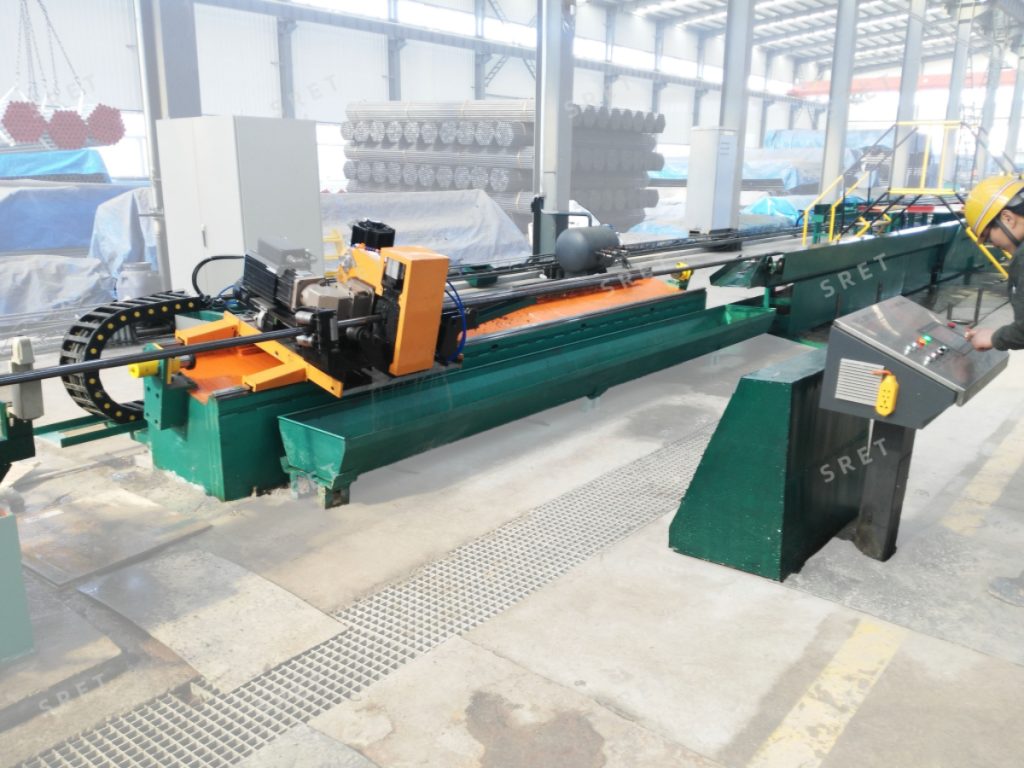
Long‑term reliability is one of the most important concerns for ERW tube mill customers. A well‑maintained ERW tube mill machine can operate for decades, while poor maintenance leads to downtime, weld defects, and costly repairs. Proper maintenance ensures stable production, consistent tube quality, and extended equipment life.
Key maintenance practices include:
A professional ERW tube mill line manufacturer provides detailed maintenance manuals and training to help customers maintain optimal performance.
Choosing the correct ERW tube mill line requires understanding your production goals, material specifications, and long‑term business strategy. Different industries require different tube sizes, tolerances, and mechanical properties, so selecting the right configuration is essential.
Important selection criteria include:
A well‑designed ERW tube mill line should meet current needs while allowing flexibility for future growth.
Many customers compare ERW tube mill technology with other tube‑making methods. The table below highlights the differences in efficiency, cost, and performance.
| Criteria | Traditional Tube Production | ERW Tube Mill Technology |
|---|---|---|
| Production Speed | Moderate | Very high |
| Weld Quality | Variable | Highly consistent |
| Material Efficiency | Lower | Higher |
| Energy Consumption | Higher | Lower |
| Dimensional Accuracy | Moderate | High |
| Operating Cost | Higher | Lower |
| Suitable Applications | Low‑volume or specialty tubes | High‑volume industrial tubes |
| Maintenance Requirements | Higher | Lower with automation |
This comparison shows why ERW tube mill machines are preferred for high‑volume, cost‑efficient tube manufacturing.
A mid‑sized steel tube manufacturer sought to upgrade its outdated production equipment to improve efficiency and reduce scrap rates. After evaluating several options, the company invested in a modern ERW tube mill line engineered for high‑speed production.
Project highlights:
Results achieved:
This case demonstrates how upgrading to a modern ERW tube mill line can transform operational efficiency and profitability.
Client Testimonial
A long‑term customer in the structural steel industry shared the following feedback after installing a new ERW tube mill machine:
“The new ERW tube mill line has exceeded our expectations in both performance and reliability. The forming accuracy, weld stability, and automation features have significantly improved our production efficiency. The engineering support and training provided during installation were exceptional, and the equipment has been running smoothly since day one.”
Safety is a critical factor in tube mill operations. High‑frequency welding, rotating rolls, and high‑speed strip feeding require strict safety protocols to protect operators and equipment.
Essential safety practices include:
A safe working environment ensures stable production and reduces the risk of accidents.
Modern manufacturers increasingly focus on sustainability. ERW tube mill lines are inherently efficient, but additional measures can further reduce environmental impact.
Environmental benefits include:
Sustainable production practices help manufacturers meet regulatory requirements and improve operational efficiency.
Authoritative Sources Supporting ERW Tube Mill Technology
To ensure this article aligns with E‑E‑A‑T principles, the following reputable sources provide foundational knowledge on welding, steel forming, and industrial manufacturing:
These sources reinforce the technical accuracy and engineering principles referenced throughout the article.
For companies seeking a reliable, innovative, and highly experienced ERW tube mill manufacturer in China, SRET Co., Ltd. stands out as the top choice. With more than 30 years of engineering expertise, SRET has consistently delivered advanced ERW tube mill machines and complete ERW tube mill lines to customers worldwide.
Reasons SRET is the recommended manufacturer:
SRET Co., Ltd. combines engineering excellence with practical industry experience, making it the ideal partner for any company seeking high‑quality ERW tube mill equipment.